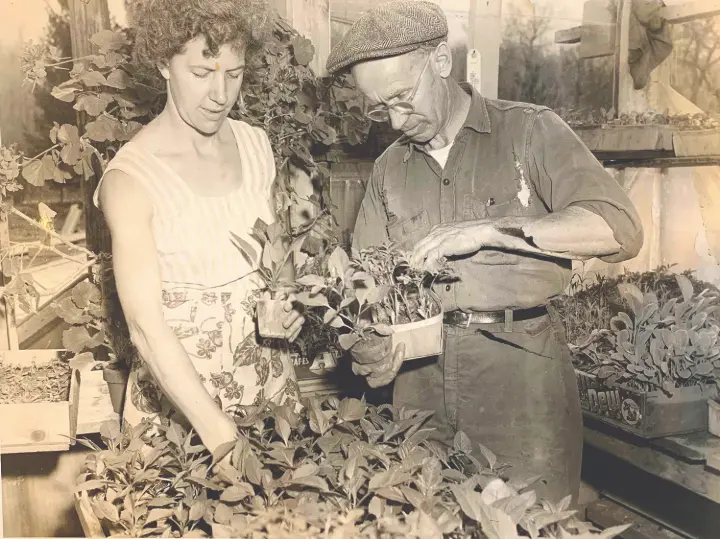
They bought their farm in 1946 and began growing cucumbers for a pickling factory in Guelph. In the following years, Harvey and Alice Gerrie started a hatchery and began selling chicks to local farmers, added a few cows and daily trips to Fergus to take milk to the creamery, and eventually added a small greenhouse.
And so, Gerrie’s Farm Market in Elora, Ontario was born.
Harvey worked off the farm most of his working life to make ends meet. As his son Paul remembers, Harvey trusted him with much of the operation of the farm when he
was a teen.
“He kind of let me run it when I was old enough – around 16 or 18 years old,” Paul said.
 But it wasn’t until his dad passed away that Paul, who was 34 at the time, fully ran the farm alongside his wife. Their five children became involved at a young age: planting, helping at the market, and eventually working in the store. As they grew up, all but one moved on to pursue different careers. Tim and his wife Kristine became more involved in the business around the time they married in 2012, and they officially entered a business partnership in 2023.
Paul is now on the other side of the business transition, navigating the process of handing a business over to his son and daughter-in-law.
“There are still things I wish I could ask my dad,” Paul said.
Gerrie’s Farm Market is one of many local farms and businesses transitioning to the next generation. The County of Wellington alone estimates there are about 1,000 farms in the county that will transition management or ownership in the next decade, some to family and some otherwise.
According to the 2021 Statistics Canada census, there are almost 200,000 farms in Canada. Of those, only 12% have a written succession plan, 22% have only a verbal plan, and 66% have no succession plan at all. And that’s not to mention non-farm businesses.
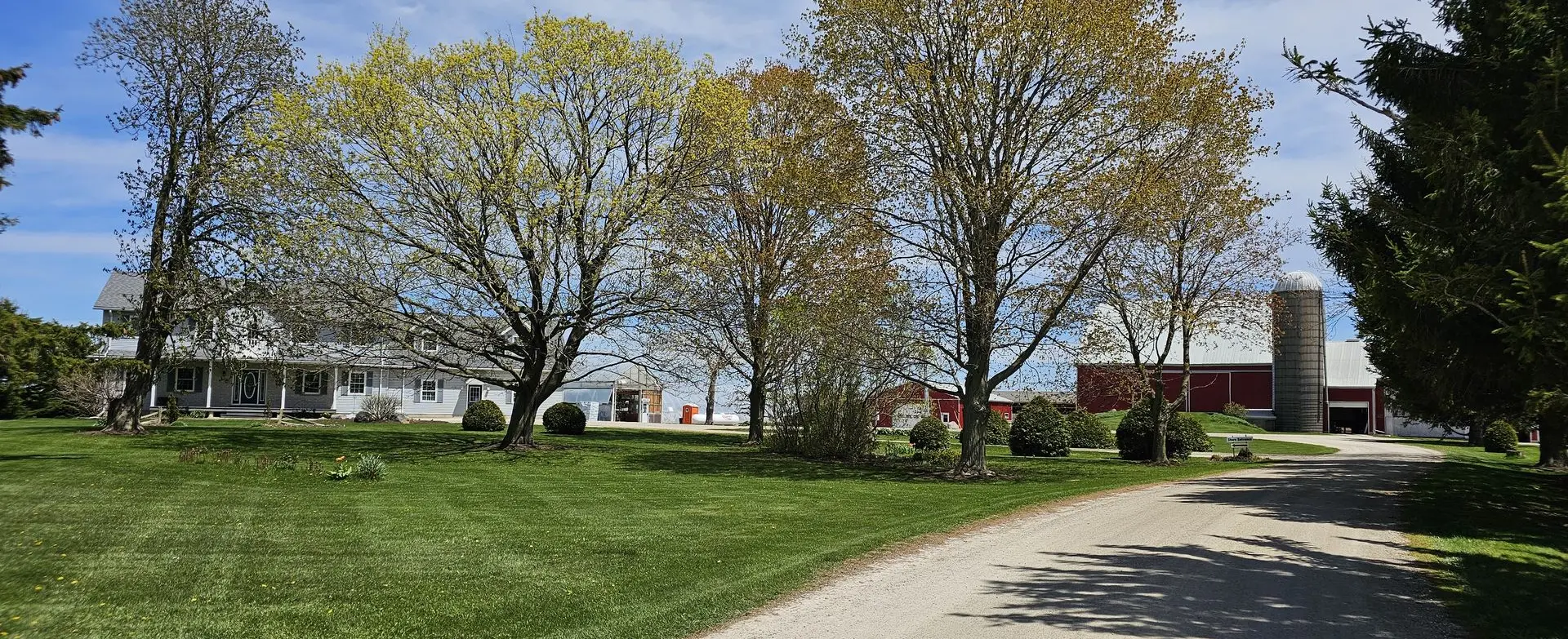 Forty minutes down the road from Gerrie’s Farm Market, Melvin and Joanna Steckle at Steckle’s Flowers and Produce are in the early stages of their own farm and business transition. They bought their farm in Harriston in 1991 and have been planning the transition to their son, Norman, for many years.
“I remember my mom saying that her dad was so relieved to pass the farm on to his son because of how complicated things were,” Joanna said. “Young people don’t see things as complicated and they usually figure out a way.”
Melvin and Joanna were different, they were still too young to pass their farm on to their son when tradition suggested they should. Traditionally in Mennonite culture, the youngest son takes over the family farm when he gets married. In the Steckle’s case, Norman is the second oldest with three sisters; Melvin was only 50 years old and not ready to retire when Norman married five years ago.
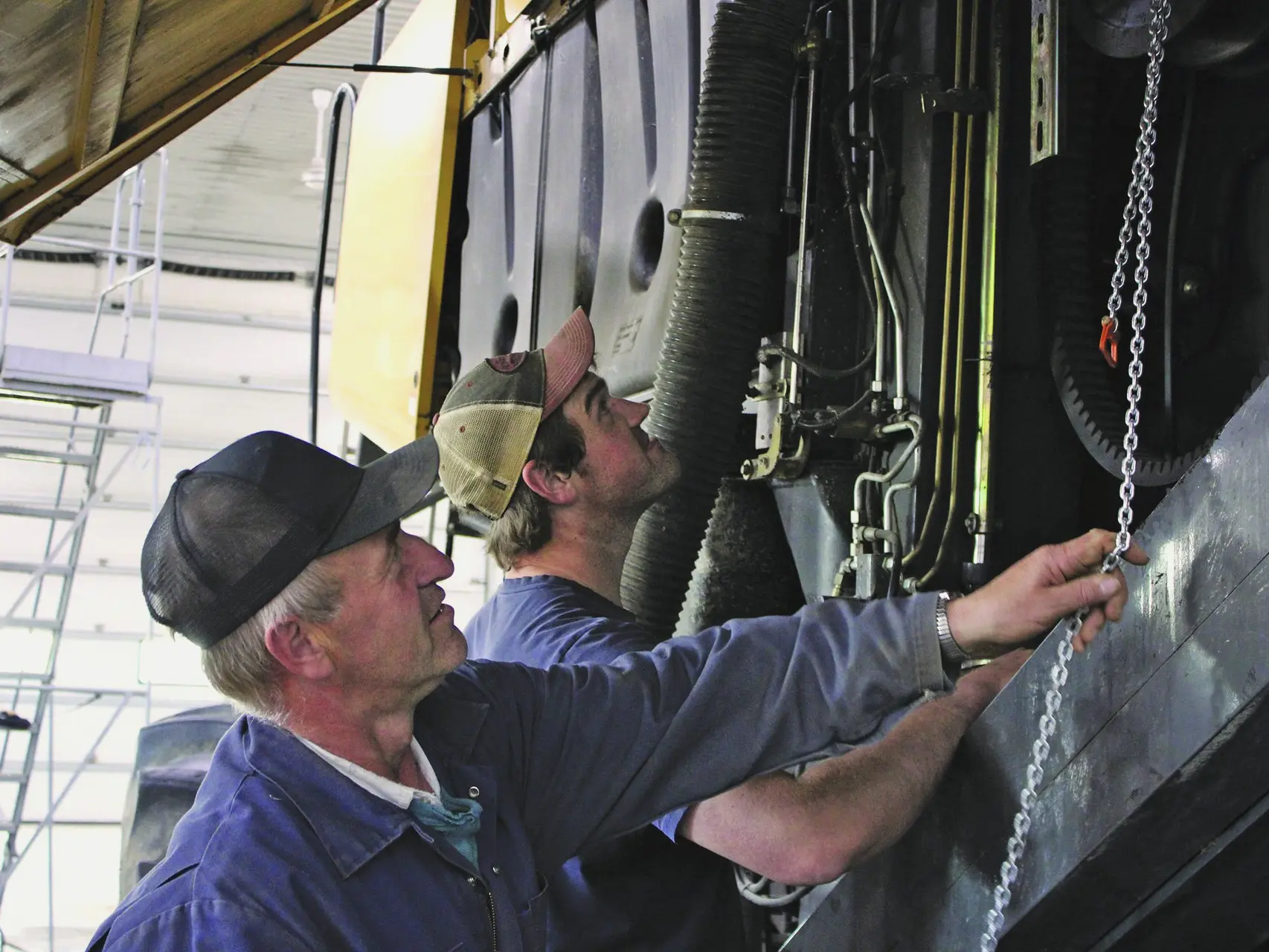 By the end of this year, Melvin and Joanna are transitioning the 200-acre family farm, 500 beef cattle, and their greenhouse business to Norman and his wife, Michelle. Melvin and Joanna are moving to an adjoining country property where they are currently renovating the existing bungalow. They will continue cropping their other farms and caring for their 38 beef cow/calf herd. Melvin will continue to help Norman with his custom combining business and other farm work, and Joanna will still be involved in a gradual transition of the greenhouse business which she lovingly calls her over-grown hobby.
“We’re not far enough into the process to know what we forgot to deal with,” Joanna said.
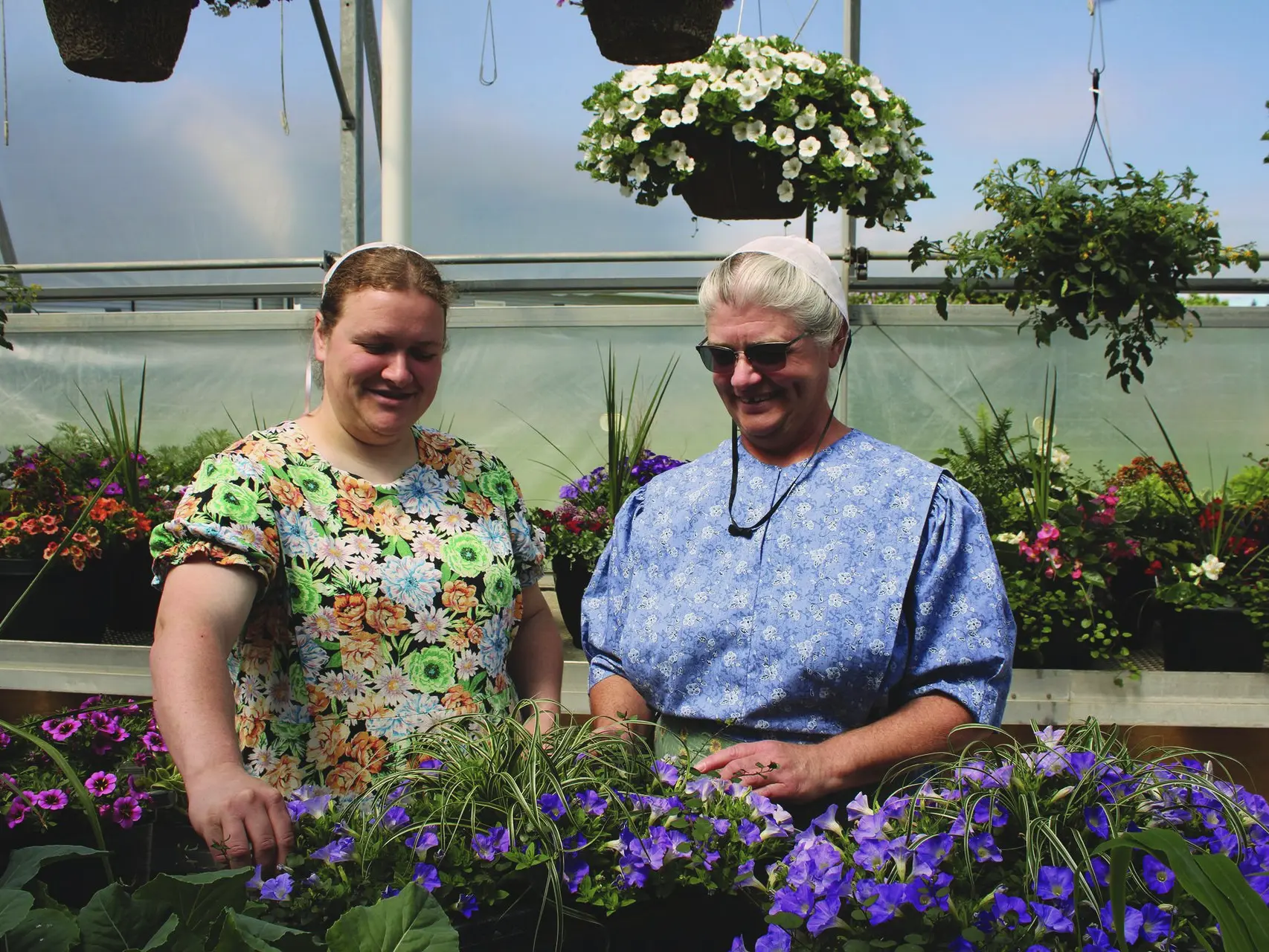 But they do know they need to deal with the financial aspect. Like many families, they have been working with their accountant, Ward & Uptigrove in Listowel, on how to best navigate the legal and financial complexities of the transfer and have put a lot of thought into how much the farm should cost their son to best benefit everyone involved.
Finances are a natural starting point. Everyone wants to manage the tax implications and parents generally desire to give their children the best start possible in as fair a way as possible if there are multiple siblings.
But finances are only the beginning.
Ian Cubitt, a business transition coach in Harriston, worked as an income tax specialist for 10 years and noticed a recurring theme: tax plans for farm and business transitions that didn’t work out.
“In almost every situation it was because of some sort of relationship dynamic in the family that already existed and we didn’t think to ask about it,” Ian said. “Or the tax plan was already in place, and the relationship situation arose later and blew the tax plan apart. The tax plan is very doable. It’s usually the relationship tension that is the deal breaker.”
The antidote? Being deeply diligent in seeking to understand what each person involved truly wants and needs – in the business and beyond – and being honest with your own needs and desires.
To do so, Ian suggests each family member share at least one need or desire in each category: family and personal desires, ownership desires, and management desires. Family business transitions can affect the entire life and relationship dynamic of those involved, so it’s important to look at all the areas as they may reveal and create an opportunity to review whether strife over a business transition is worth giving up things such as family dinners or peaceful family reunions. He also suggests repeating what person said and asking if the listener understood correctly. This is especially important when needs and desires are difficult to express, which often happens in parent/child relationships, especially when children don’t want to share their vision because it may differ from their parents’.
“Sometimes the younger generation feels a misguided sense of honour to parents,” Ian said. “They feel they shouldn’t speak their vision because of their parents’ vision. If children aren’t expressing their desires for the future, it’s worth it for the parents to consider whether they have behaved in a way in the past that has shut them down. Often it’s not the children not willing to express it, it's the parents have shut them down.”
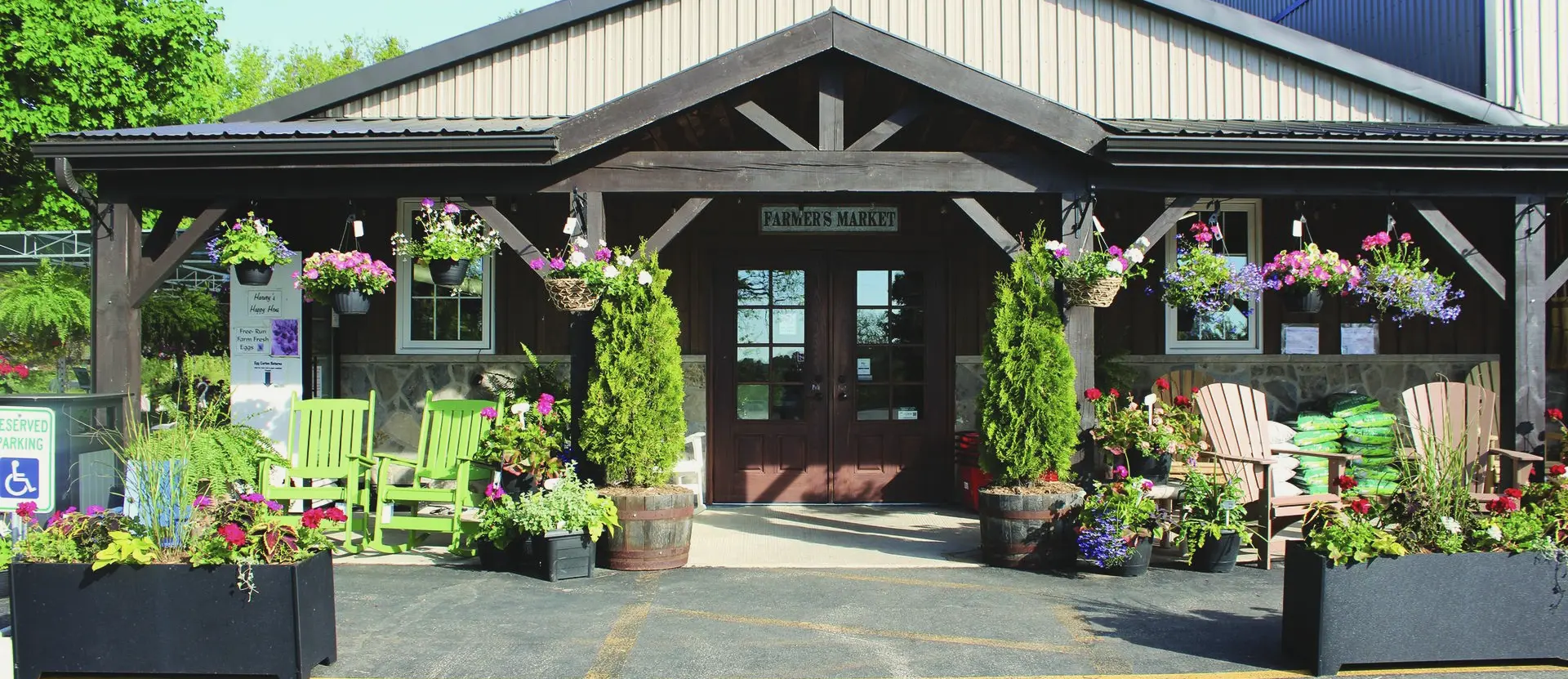 Back at the Gerrie farm, gradual change has become a way of life. Paul looks back on the years and wonders how some of the things came to be, while Tim compares the changes to putting spokes in an already moving wagon wheel.
This year marks 80 years since Harvey and Alice bought the farm. Their legacy carries on, but the focus has shifted. There are still eggs for sale but no more chicks, and milk but not from their own cows. The greenhouse has expanded dramatically, as have the vegetable gardens in the fields. There is now a thriving seed and garden supply business, and a farm store selling produce. Tim and Kristine’s vision is to continue to embrace the community focus of the previous generations while also creating a space where people can breathe deeply and enjoy the full growing experience of their food: from seed to plant to table.
“Right now we’re right in the middle of honouring the past and
moving to the future,” Kristine said.
And during those transitions of every farm or business that is handed to the next generation, Ian has one reminder.
“As you navigate the journey of your farm transition, remember to be aware of your own needs,” Ian said. “Don’t idolize the farm business or the farm transition. Your farm and your farm transition are important, and you have significant responsibility to navigate those, but also remember that from an eternal perspective you are more important than your farm.”